

How to Measure Workplace Wellbeing: A Practical KPI Guide for HR Teams
Most HR and benefits teams eventually get asked some version of the same question: “How do we know if our wellbeing program is working?”
On the surface, it sounds like a simple question, but the deeper question is: “Can we prove this is worth the money?”
The question couldn’t be more understandable. Healthcare costs are rising and HR teams are being asked to defend spend across benefits, engagement, culture, and employee experience. But if an organization's only measure of a wellbeing program is a drop in claims, they’re poised to miss the bigger point - whether wellbeing is actually taking root.
Quick Answer: How should organizations measure employee wellbeing programs?
Organizations should measure employee wellbeing programs using a mix of leading and lagging indicators. Leading indicators show whether the strategy is being activated, such as awareness, access, utilization, engagement, manager support, and employee feedback. Lagging indicators, such as healthcare claims, absenteeism, turnover, and retention, may show longer-term movement, but they should not be the only way a wellbeing program is judged.
The strongest measurement plans start by defining success upfront, choosing a small set of KPIs tied to the organization’s goals, and reviewing the data regularly enough to adjust the strategy.
What does it mean to measure an employee wellbeing program?
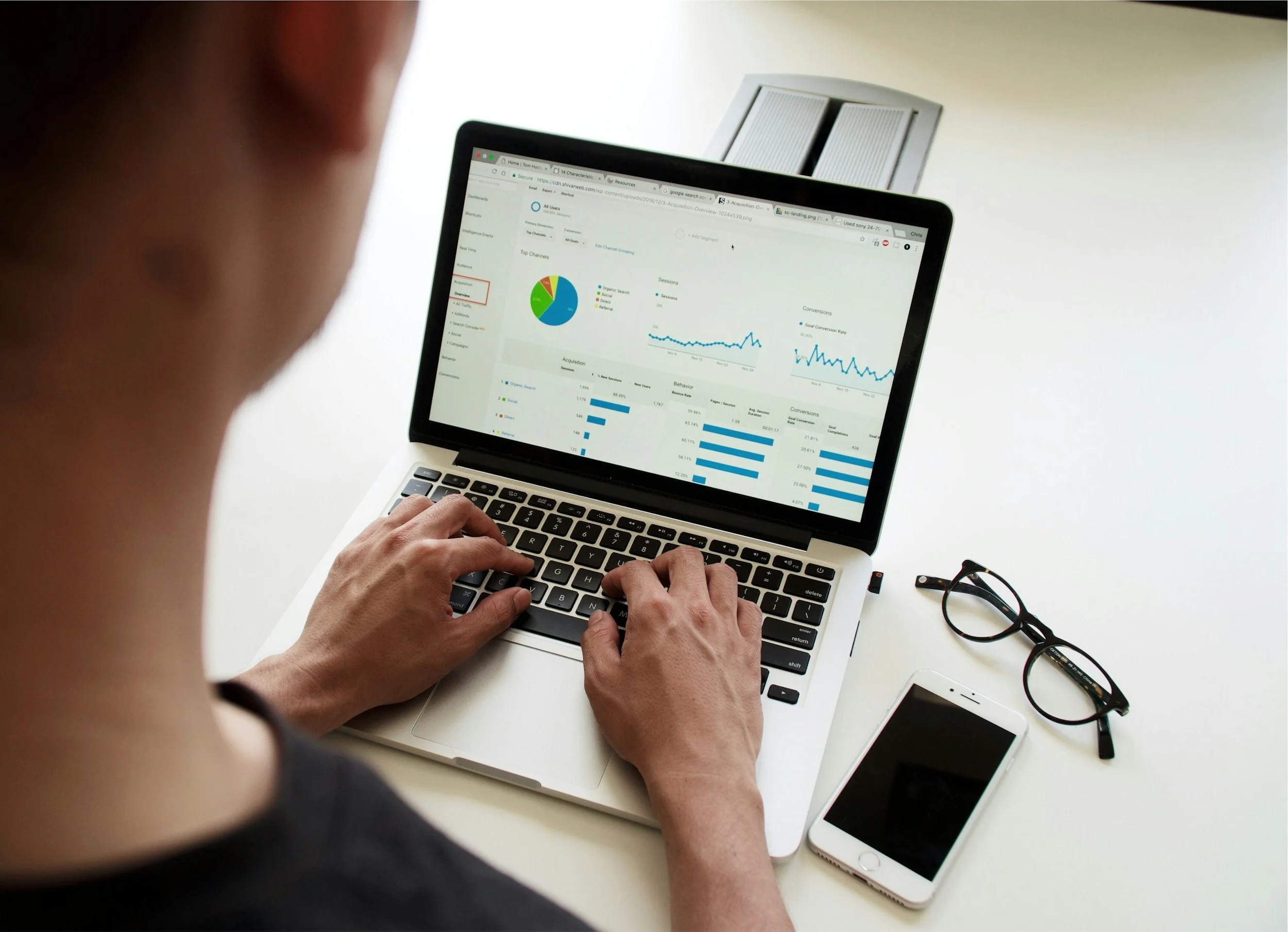
Measuring an employee wellbeing program means tracking whether your wellbeing strategy is reaching the right people, solving the right problems, and improving the employee experience over time. It is not just counting how many people attended a webinar or looking at claims data once a year, and it is definitely not trying to force every wellbeing effort into a single ROI calculation. A good wellbeing measurement strategy looks at the whole system:
What resources exist?
Can employees find them?
Do employees understand when and why to use them?
Are the resources relevant to employee needs?
Are managers and leaders reinforcing the right behaviors?
Is the organization seeing useful patterns over time?
Are HR and benefits teams learning what to keep, change, consolidate, or stop?
In other words, measurement is not just proof. It is a management tool. It helps HR teams make better decisions about what to promote, what to simplify, what to invest in, and what needs a different approach.
Why wellbeing measurement gets messy
Wellbeing is hard to measure because most organizations are not starting with a clean system. An employee might have access to an EAP, mental health benefits, financial wellbeing tools, a meditation app, condition management support, caregiving resources, 401(k) education, manager training, open enrollment materials, wellness challenges, and a handful of one-off events. Each resource might have its own vendor report. Each of those reports might define engagement differently.
Some resources are used frequently. Some are only used in moments of crisis. Some are valuable even when utilization is low. Some are underused because employees do not know they exist. Others are promoted heavily but disconnected from what people actually need. Most organizations do not have a wellbeing measurement problem because they lack data. They have a measurement problem because the data is scattered, inconsistent, and not connected to a clear strategy.
That is why the first step is not building a giant dashboard, it’s deciding what you are trying to learn.
The biggest mistake: measuring the fruit before the roots
Healthcare claims, retention, absenteeism, and turnover can matter, but they are lagging indicators. They usually show up later, after many other conditions have already been in motion. As we like to say: “They are the fruit, not the roots.”If an organization only looks for fruit, it may miss whether the roots are healthy.
The roots are things like awareness, access, trust, manager behavior, workload, communication, and whether employees know where to go when they need support. These are the earlier signals that tell you whether wellbeing is becoming part of the employee experience or sitting off to the side as another underused benefit.
For example, if employees are not using a financial wellbeing resource, the conclusion may not be “employees do not care about financial wellbeing.” The real issue might be:
Employees do not know the resource exists.
The resource is buried in a benefits portal they rarely visit.
The communication felt too generic.
The timing was wrong.
Employees did not understand what problem the resource could help them solve.
Managers were never equipped to reinforce it.
The resource was not connected to a broader wellbeing strategy.
A claims number will not tell you that, but a comprehensive wellbeing strategy can.
Leading vs. lagging wellbeing indicators
Before we dive into the areas to measure, consider this: one of the simplest ways to make wellbeing reporting more useful is to separate leading indicators from lagging indicators. Leading indicators tell you whether the work is moving in the right direction now. Lagging indicators tell you whether larger outcomes are changing over time. Both matter, and they should not be treated the same.
Use leading indicators to adjust strategy in real time. Use lagging indicators to assess whether broader outcomes may be shifting over time
This distinction helps protect wellbeing programs from being judged too narrowly. If you plant a garden and check for fruit the next morning, you will assume nothing is working, but the early work is happening underground. It’s the same with wellbeing. You need to know whether the conditions are improving before you can reasonably expect the long-term outcomes to change. Remember: Roots first. Fruit later.
The On the Goga Wellbeing Measurement Framework
At On the Goga, we measure wellbeing across five connected areas: Awareness, Activation, Experience, Culture Conditions, and Business Signals.
This gives HR and benefits teams a more complete picture without trying to measure everything at once.
Awareness | Do employees know what exists?
Examples of Leading Indicators:
Benefits communication open and click rates
Resource page traffic
Search behavior related to benefits, support, or wellbeing topics
Attendance at orientations, launch events, or benefits education sessions
HR or manager feedback on common employee questions
Employee ability to identify where to go for support
Examples of Lagging Indicators:
Improvement in employee awareness survey results
Fewer repeated “where do I find this?” questions to HR or managers
Increased direct traffic to the right resources over time
Higher utilization of resource navigation tools or resources
Increased use of resources that were previously underutilized due to low visibility
Activation | Are employees engaging meaningfully with the resources offered?
Examples of Leading Indicators:
Program, event, webinar, or challenge registrations
Clicks to benefits, vendors, or resources
First-time use of a benefit, vendor, or platform
Examples of Lagging Indicators:
Event or webinar attendance
Challenge completion
Repeat participation
Sustained vendor or platform engagement
Reduced drop-off between registration and participation
Experience | Do employees feel the content is relevant and helpful?
Example Leading Indicators:
Topic interest before a program or campaign
Registration or sign-up rates for specific topics
Manager, champion, or HR feedback on what employees are asking for
Participation from the intended employee group
Lagging indicators:
Post-event satisfaction scores and survey responses
Reported relevance and usefulness of the content
Repeat participation in similar programs
Culture Conditions | Does the workplace reinforce and support wellbeing efforts?
Example Leading Indicators:
Manager participation in wellbeing communications or programming
Manager confidence discussing available support
Team norms around meetings, response time, workload, flexibility, and recovery
Burnout risk indicators
Use of recovery practices, breaks, focus time, or boundary-setting behaviors
Example Lagging Indicators:
Improved manager support scores
Improved psychological safety scores
Reduced burnout or exhaustion scores
Improved workload sustainability scores
Stronger employee perception that wellbeing is supported by the culture, not just offered as a program
Business Signals | Are broader organizational outcomes moving over time?
Example Leading Indicators
Engagement survey movement in areas tied to wellbeing, support, workload, belonging, or manager effectiveness
Increased participation in wellbeing programs among high-need or priority employee groups
Earlier use of support resources before issues escalate
Stronger participation in preventive wellbeing resources and programs
Lagging indicators:
Improved retention
Reduced absenteeism
Reduce leave, or improved return-to-work outcomes
Claims data, where appropriate and available
Lower turnover in priority populations
Productivity or performance signals
Safety, error, or incident trends, where relevant
Common mistakes organizations make when measuring wellbeing
1. Waiting until the end to define success
If success is not defined at the beginning, reporting becomes a scramble. Teams end up pulling whatever numbers are easiest to access, then trying to reverse-engineer a story from the data. That’s not true measurement, and it won’t help you drive real results.
Before launching a program, campaign, or resource, define what you are trying to change. Are you trying to increase awareness? Drive use of an existing benefit? Support managers? Improve navigation? Reduce duplication? Build trust? Help employees through a specific change? Different goals require different KPIs.
2. Treating utilization as always good or always bad
Utilization is useful, but it needs context. High utilization of a preventive resource may be a positive signal. High utilization of a crisis resource might mean employees know where to go, but it could also point to deeper issues worth understanding.
Low utilization is not always failure either. Some resources are designed for specific moments, specific populations, or sensitive needs. The better question is whether the right people can find the right support when they need it. For HR teams, this is where reporting needs interpretation, not just numbers.
3. Over-relying on annual reporting
Annual reporting has a place, especially for broader trends. But if you only review wellbeing data once a year, you lose the chance to learn and adjust while the work is happening. A better rhythm might include:
Monthly campaign and engagement reporting
Quarterly wellbeing strategy reviews
Semiannual stakeholder conversations
Annual strategy and vendor ecosystem review
The right cadence depends on the organization, but measurement should be a consistant part of your strategy.
4. Ignoring qualitative data
Numbers can help show what happened, but they don’t always paint a complete picture. Employee comments, listening sessions, stakeholder interviews, manager feedback, and open-ended survey responses can reveal the friction points that dashboards miss.
For example, a low registration number might look like lack of interest. But employee feedback might reveal that the session was scheduled during peak operational hours, the title did not feel relevant, or employees did not understand how it connected to their actual work. Qualitative data helps make quantitative data usable.
6. Trying to prove everything with one number
The desire for one clean ROI number is understandable, and it’s often what leadership asks for. But the reality is that a single ROI number is almost always too narrow. Workplace wellbeing touches benefits, culture, communication, leadership, employee experience, and organizational capacity. Reducing all of that to one number can flatten the work and make it harder to manage intelligently. A stronger approach is to build a small KPI set that shows progress from multiple angles.
A better way to talk about ROI
Validating a return on investment in wellbeing is critical. The problem is pretending every wellbeing outcome will show up quickly, cleanly, and directly in a financial metric. Wellbeing is influenced by many things: leadership, workload, benefits design, communication, team norms, compensation, job design, psychological safety, personal circumstances, and the broader business environment.
So instead of asking wellbeing to prove everything with one number, organizations can ask better questions:
Are we helping employees find and use the resources we already pay for?
Are we reducing confusion across our benefits and wellbeing ecosystem?
Are we seeing stronger engagement with priority resources?
Are employees telling us the support feels relevant?
Are managers better equipped to reinforce wellbeing?
Are we learning what to keep, change, consolidate, or stop?
Are longer-term people and business indicators moving in the right direction?
That is still accountability, but it is a more honest and more useful.
The bottom line: measure what helps you manage
The goal of wellbeing measurement is not to create a perfect dashboard, it’s to help the organization make better decisions.
Sometimes that means investing more in a resource employees clearly value. Sometimes it means repositioning a benefit that is useful but misunderstood. Sometimes it means consolidating vendors. Sometimes it means realizing the issue is not another program at all, but a workplace condition that needs leadership attention.
The strongest wellbeing measurement plans do three things well:
They define success upfront.
They track both leading and lagging indicators.
They turn reporting into action.
FAQs
What are the best KPIs for employee wellbeing programs?
The best employee wellbeing KPIs depend on the goal of the program. Common KPIs include awareness, utilization, resource clicks, program participation, employee feedback, manager support, engagement trends, absenteeism, retention, and claims data where appropriate. The most useful KPI set usually includes both leading indicators and longer-term business signals.
How do you measure wellbeing program ROI?
Wellbeing program ROI can be difficult to measure directly because wellbeing is influenced by many factors. Instead of relying only on a single ROI number, organizations should measure whether employees are aware of resources, can access them easily, use the right support at the right moments, and show positive movement in relevant people and business indicators over time.
Is utilization a good wellbeing metric?
Utilization can be a helpful wellbeing metric, but it needs context. High utilization may show that employees value and understand a resource. Low utilization may show lack of awareness, poor timing, access issues, or that the resource is designed for a smaller group or specific moment of need. Utilization should be interpreted alongside awareness, feedback, and employee experience data.
How often should HR report on employee wellbeing?
HR teams can review wellbeing engagement and communication data monthly, broader employee feedback and program trends quarterly, and strategic outcomes annually. The right cadence depends on the organization’s goals, but wellbeing reporting should happen often enough to support learning and adjustment.
How can HR measure wellbeing if resources are spread across many vendors?
HR can start by creating a shared reporting structure across vendors and centralizing employee access through a Wellbeing Hub or similar infrastructure. This makes it easier to track awareness, engagement, resource clicks, utilization patterns, and employee feedback in one connected view instead of relying only on separate vendor reports.
Why is healthcare claims data not enough to measure wellbeing?
Healthcare claims data can be useful, but it is a lagging indicator and may not show whether employees know about, trust, or use wellbeing resources. Claims are also influenced by many factors outside a wellbeing program. Organizations should pair claims data with leading indicators like awareness, access, utilization, employee feedback, and culture conditions.
Want Help Crafting Your Wellbeing Measurement Strategy?
On the Goga can help. We help organizations build, run, and grow meaningful wellbeing programs through strategy, managed wellbeing operations, and employee-facing infrastructure. We help HR and benefits teams organize, activate, measure, and manage wellbeing resources so employees can find and use the support available to them.